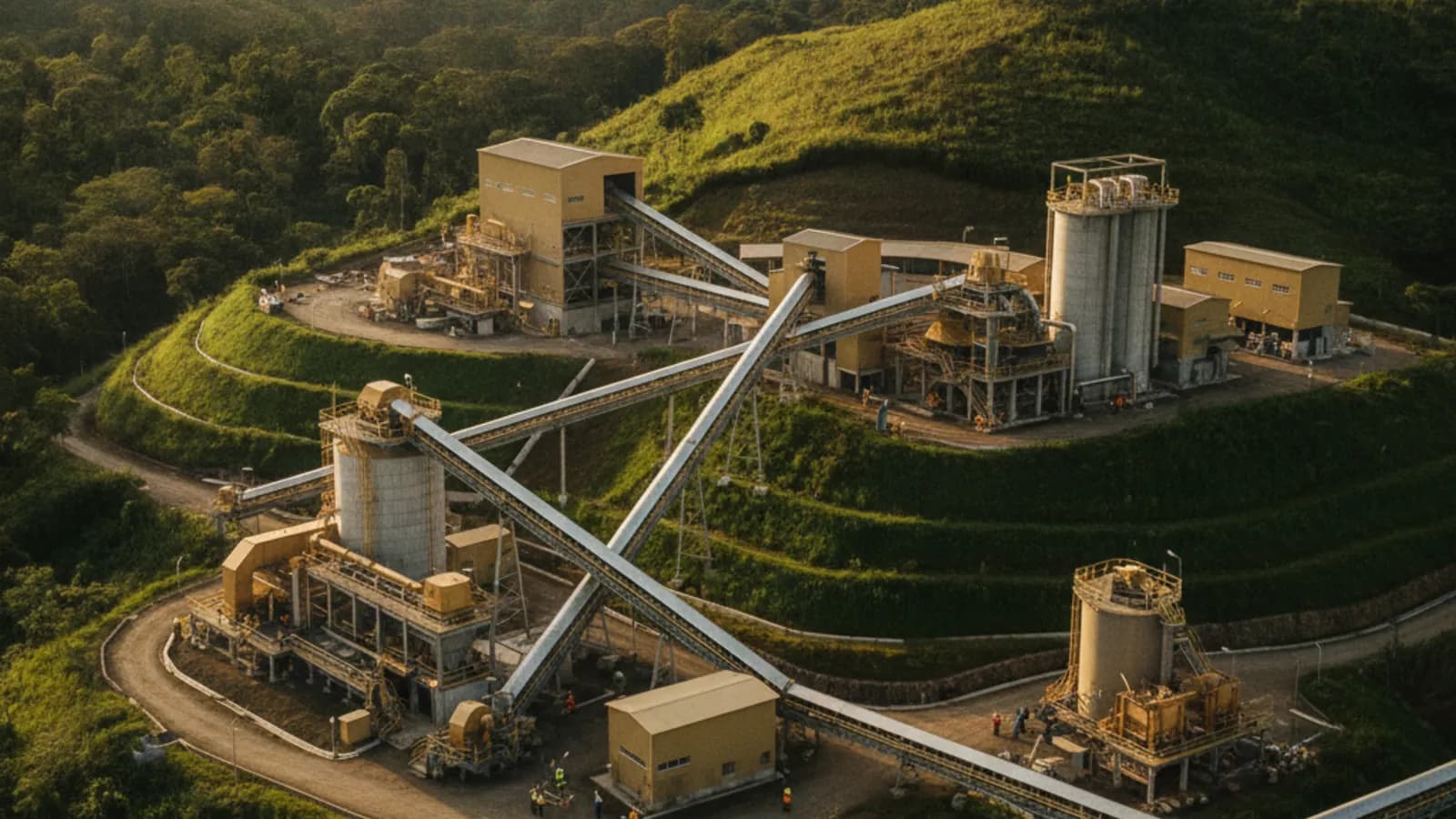
Villonaco III Reaches 54.53% Construction Progress as First Wind Blades Arrive

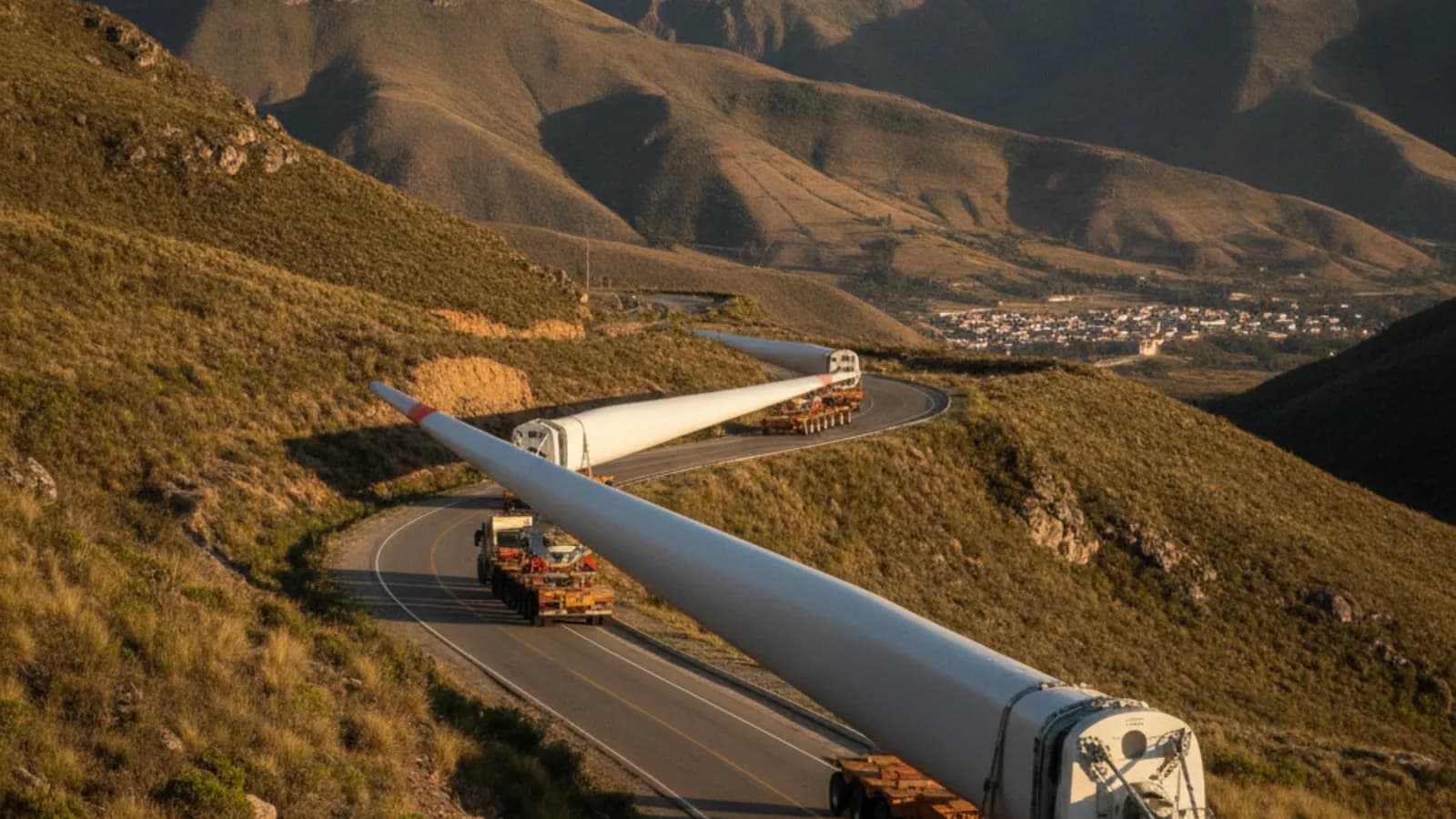
Villonaco III has moved into a more visible construction phase after 30 of its 57 wind-turbine blades arrived in Ecuador through Puerto Bolívar for transport to Loja.
The project on the ground
The project calls for 19 wind turbines on Cerro Huayrapamba, between Loja and Catamayo. Each turbine is designed for 5.9 MW and will be installed at about 3,000 meters above sea level.
Together, the turbines are expected to provide 112.1 MW, which would make Villonaco III the largest wind project built in Ecuador.
The blades’ movement to the project is expected to begin in mid-September, once the required conditions are met. That is a logistics milestone, not the start of commercial generation.
Capital and concession structure
Villonaco III represents more than USD 200 million in private investment. Its concession lasts 25 years and is described as requiring no public resources.
The concession entered into force on January 15, 2025. Construction began on July 7, 2025, and reported physical progress reached 54.53% by June 2026. Commercial operation is targeted for the third quarter of 2027.
The project’s financing has the backing of BID Invest, Proparco, and FMO. That group of lenders makes the financing structure a material part of the project’s credibility, but it does not remove construction, transmission, or operating risk.
Local economic commitments
The project plans for 60% of its labor force to be local and 50% of its suppliers to be local. Once commercial operation begins, 12% of profits is expected to be reinvested in the areas of direct influence.
Those commitments are measurable future targets. Their significance will depend on how they are defined, reported, and maintained through construction and operations.
The project also creates a logistics and procurement watch in southern Ecuador. Blade movement, turbine installation, and later grid connection will determine whether the current construction milestone converts into usable capacity. Those steps are still ahead.
For people following the project from outside Loja, the most important distinction is between a reported milestone and a delivered service. The arrival of equipment supports the construction narrative, while reliable electricity will only be measurable after installation, testing, connection, and commercial operation.
What this means for expats
Confused about which visa fits your situation? Book a 30-minute consultation with Chip for $100 and leave with a clear plan.
Book a consultationFor residents of southern Ecuador, the project is a regional infrastructure development with implications for roads, transport logistics, local employment, and the power system. For residents elsewhere, it is a useful marker of Ecuador’s effort to add renewable generation through private capital.
The project should not be treated as proof that electricity reliability is already solved. The final tariff, contracted buyer, annual output, and delivered operating date are not established by the construction milestone.
The practical watchlist is straightforward: blade transport in September, further physical-progress updates, evidence of local hiring and procurement, and whether the commercial-operation target survives the remaining construction period.
More in Economy
View all →Keep practical Ecuador coverage free to read.
Reader support helps fund source monitoring, translation, editing, publishing, and national coverage for expats across Ecuador.
Need help with your Ecuador visa? EcuaPass handles the paperwork for you. Learn more →
Comments
No comments yet. Be the first to share your thoughts!