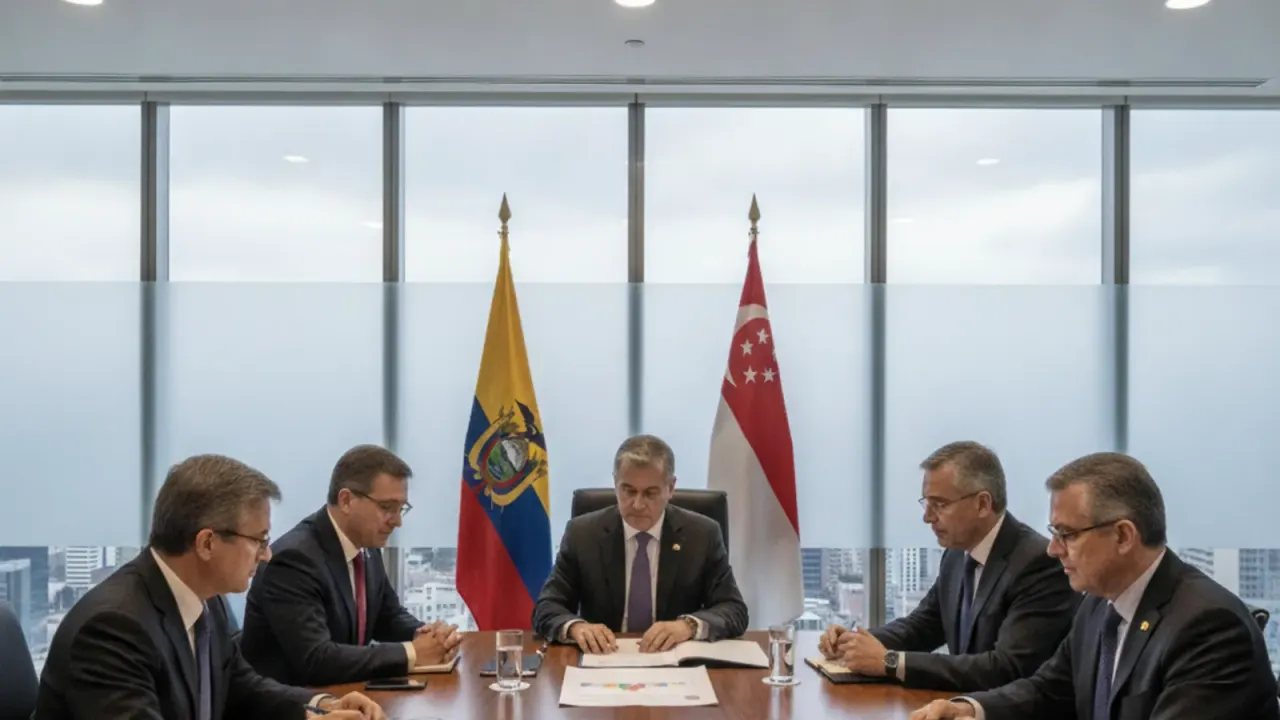
Noboa Confirmed for Trump’s March 7 Miami Summit — Ecuador Joins 6-Nation Latin American Bloc

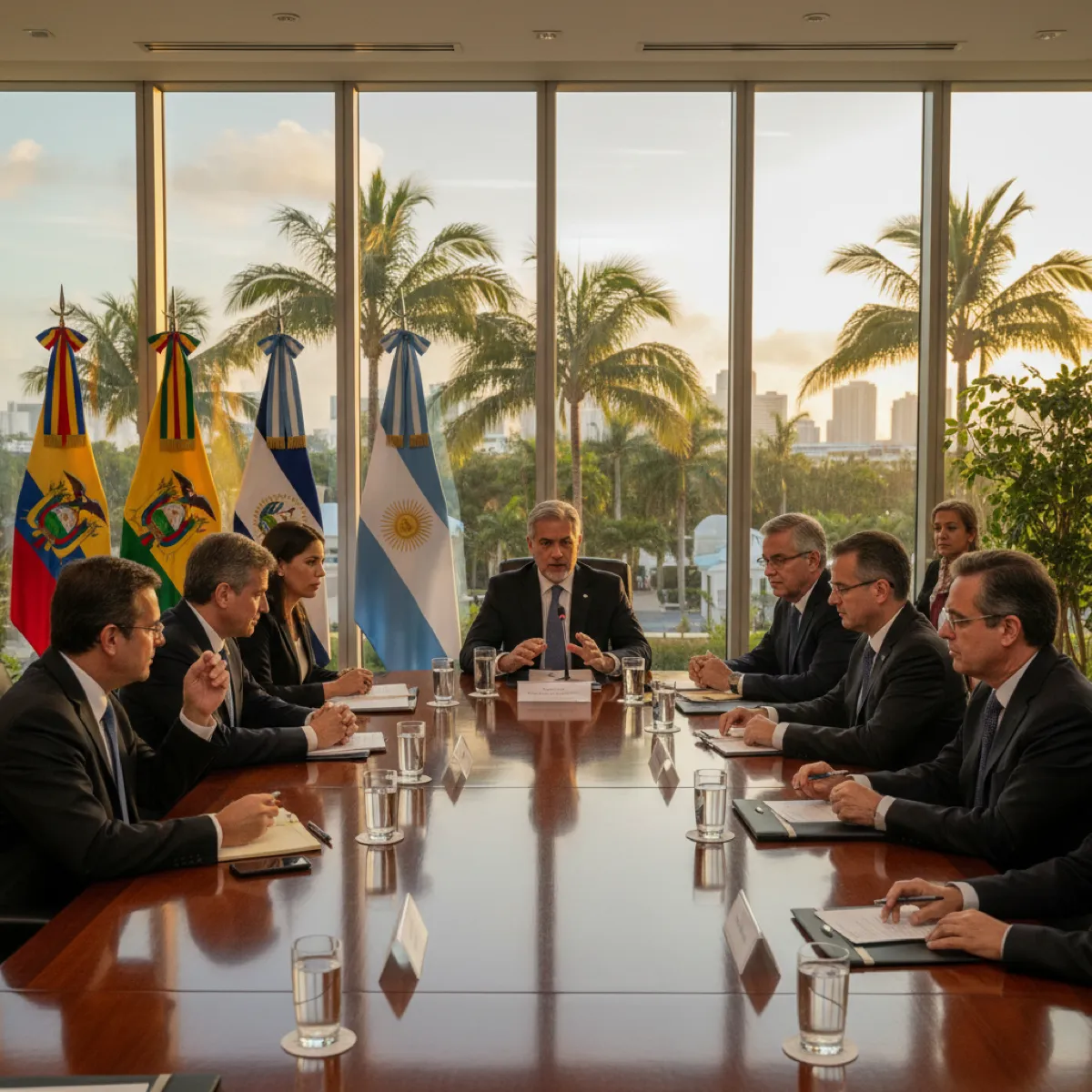
Ecuador is about to have a seat at one of the most consequential diplomatic tables in the hemisphere.
The Summit
President Donald Trump will host a summit of six allied Latin American presidents in Miami on March 7, 2026. The gathering — confirmed by the White House — will bring together leaders ideologically aligned with the current U.S. administration.
Who’s Attending
| Country | Leader | Focus | |---------|--------|-------| | Ecuador | Daniel Noboa | Trade, security | | Argentina | Javier Milei | Economic reform | | El Salvador | Nayib Bukele | Security model | | Paraguay | Santiago Peña | Trade | | Bolivia | Rodrigo Paz | New government | | Honduras | Nasry Asfura | Migration |
Notably absent: Colombia (Petro), Brazil (Lula), Mexico (Sheinbaum), and Chile (Boric) — the region’s left-leaning governments were not invited.
What’s on the Agenda
The summit will focus on four pillars:
- Countering China’s influence in Latin American infrastructure, ports, and telecommunications
- Security cooperation including intelligence sharing and anti-narcotics operations
- Trade and investment — Ecuador’s recently concluded Agreement on Reciprocal Trade (ART) with the U.S. will likely be showcased as the model
- Migration management — coordinating regional approaches to irregular migration flows
Ecuador’s Position
Noboa has been one of the most outspoken pro-Washington voices in South America. His government has:
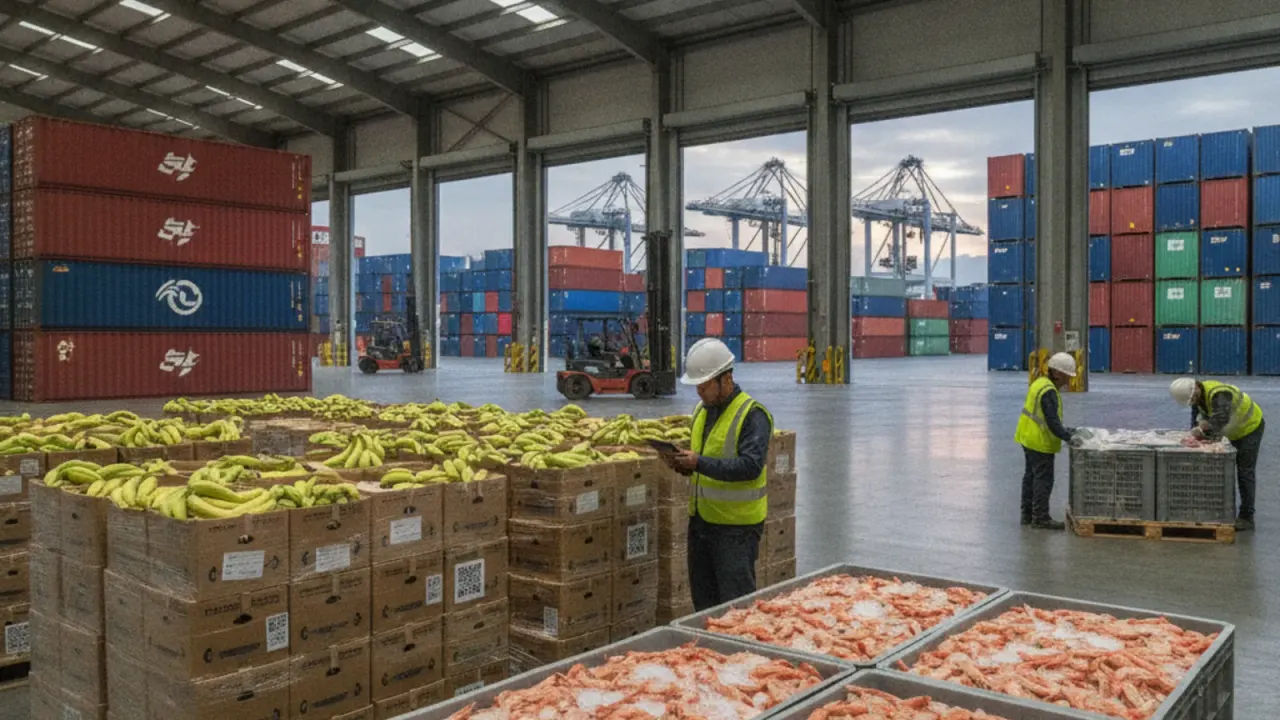
- Concluded the U.S.-Ecuador ART (announced February 14), slashing tariffs on bananas, cocoa, and shrimp
- Accepted U.S. military and intelligence assistance in the fight against narco-trafficking
- Publicly supported Trump administration positions on Venezuela and regional security
- Opened trade negotiations with Israel and the UAE simultaneously
The Miami summit solidifies Ecuador’s role as a key U.S. ally in the region — a dramatic shift from the Correa era (2007–2017) when Ecuador expelled the U.S. military from the Manta air base and aligned with Venezuela and Cuba.
What This Means for Expats
Confused about which visa fits your situation? Book a 30-minute consultation with Chip and leave with a clear plan.
Book a consultation- Stronger U.S.-Ecuador ties benefit American expats directly. Better diplomatic relations typically translate to smoother consular services, more direct flights, and less bureaucratic friction for U.S. citizens living abroad
- The trade deal means cheaper imports from the U.S. — including agricultural products, wine, and consumer goods. Prices at supermarkets and import stores may improve
- Security cooperation could improve safety. U.S. intelligence and military support has been credited with several major drug busts and gang leadership captures in the past year
- The China angle matters for infrastructure. Ecuador has significant Chinese-built infrastructure (hydroelectric dams, highways). A pivot away from Chinese investment could affect future infrastructure projects — for better or worse
Sources: ColombiaOne, Tico Times, Pressenza, CiberCuba
More in Politics
View all →Keep practical Ecuador coverage free to read.
Reader support helps fund source monitoring, translation, editing, publishing, and national coverage for expats across Ecuador.
Need help with your Ecuador visa? EcuaPass handles the paperwork for you. Learn more →
Comments
No comments yet. Be the first to share your thoughts!