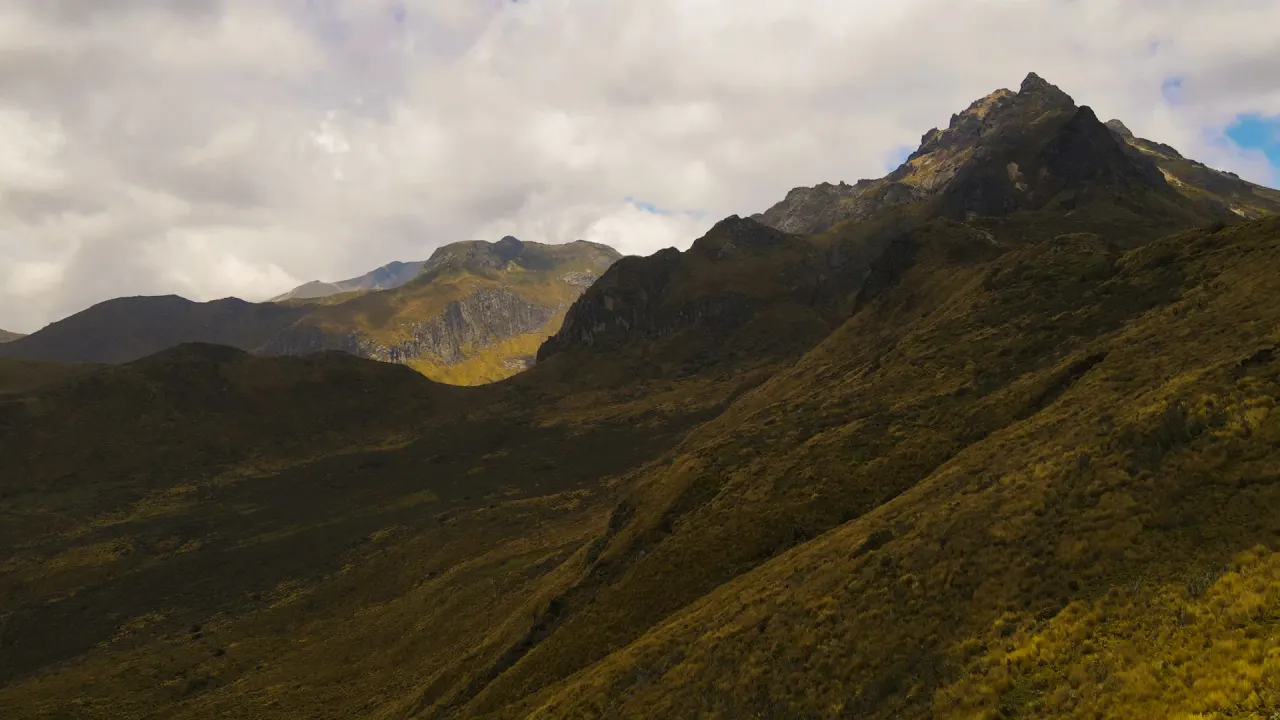
Three Earthquakes in 14 Hours — 5.2 in Imbabura, 3.8 Near Machala, 2.8 in Bolívar

The Three Quakes
Per Primicias and Ecuador's Instituto Geofísico (source):
-
Magnitude 5.2 — Imbabura (near Cotacachi) — Evening of April 20. Felt across nine provinces, including Quito, Guayaquil, Esmeraldas, Santo Domingo, Ambato, Calceta, and Bahía de Caráquez.
-
Magnitude 2.8 (MLV scale) — Echeandía, Bolívar — April 21 at 04:16. Depth 99 kilometers.
-
Magnitude 3.8 — Near Machala, El Oro — April 21 at 11:20. Epicenter 38.6 km from Machala. Depth 38 kilometers.
No damage has been reported from any of the three.
What This Means for Expats
Ecuador sits on one of the world's most seismically active zones — the intersection of the Nazca and South American plates — and cycles of low-grade activity are routine. Three quakes in 14 hours is above baseline but not unusual. The 5.2 in Imbabura is the only one in the "feel it everywhere" range.
Practical preparedness is worth a periodic refresh:
- Know your building's structural profile. In Quito, Cuenca, and Guayaquil, most newer construction meets seismic code. Older colonial-era buildings (common in Cuenca's El Centro, Quito's La Ronda, and Guayaquil's historic core) vary widely — ask about retrofits before signing a long lease.
- Secure heavy furniture — bookshelves, tall armoires, wall-mounted televisions — to walls with anchors. The 5.2 in Imbabura was light enough not to topple objects; a 6.5+ would.
- Water reserves. Keep a minimum of 48 hours of drinking water at home. In Guayaquil and Manta, where water distribution can be disrupted post-event, 72+ hours is better.
- Go-bag essentials: passport copies, cash in small bills, medications, headlamp, charged power bank, closed-toe shoes near the bed.
- Emergency contact: ECU-911 is the national number for all emergencies. It is functional during events.
- Stay out of elevators immediately following a quake. Use stairs for at least an hour after any shaking.
Where Ecuador's Seismic Risk Is Highest
The Pacific coast (Manabí, Esmeraldas, Santa Elena, Guayas) faces the highest risk from subduction-zone events — the 2016 Pedernales earthquake (M7.8) is the most recent catastrophic example. The Sierra is exposed to upper-plate crustal faults — the April 20 Imbabura event falls into this category. The Amazon (Oriente) has the lowest seismic risk.
No immediate concern from the April 20-21 events. But a useful reminder of the baseline.
Source: Primicias, Instituto Geofísico
Report an article problem
Tell us what seems wrong or outdated. Include your email so we can follow up if needed.
More in Safety
View all →Keep practical Ecuador coverage free to read.
Reader support helps fund source monitoring, translation, editing, publishing, and national coverage for expats across Ecuador.
Need help with your Ecuador visa? EcuaPass handles the paperwork for you. Learn more →
Comments
No comments yet. Be the first to share your thoughts!