Ecuador Regulates Independent Energy Storage Market to Support Grid Capacity

Overview
Following September 2026 reforms to the Regulation of the Public Service Law of Electrical Energy, Ecuador has established a regulatory framework for an independent market in energy storage services. Storage systems are defined under the rules as a set of technologies and devices designed to capture, store, and deliver electrical energy to the national grid in a controlled manner. This structural update allows public, private, or mixed-economy entities to offer stand-alone energy storage services upon obtaining an enabling title.
Confirmed details
Under the new framework, authorized storage providers can sign direct contracts with electricity distribution and commercialization entities in proportion to their demand. The Primicias report identifies Corporación Nacional de Electricidad (CNEL) and Empresa Eléctrica Quito as public distribution and commercialization examples. Additionally, independent storage companies can execute bilateral contracts with self-generators or large electricity consumers.
The September 2026 reform regulates the development of a stand-alone storage service market that does not need to be tied directly to a photovoltaic or wind generation plant. This expands upon earlier regulatory steps. According to energy expert Gabriel Secaira, Arconel Resolution 005-25—issued in May 2025 for non-conventional renewable generation—already mandates battery storage for intermittent solar and wind projects between 10 MW and 100 MW. That earlier rule specifically requires storage equal to 10% of a plant's nominal power with four continuous hours of autonomy.
Currently, Ecuador relies on the Mazar reservoir, part of the Paute Integral Complex, as its primary energy storage mechanism. On October 31, 2026, at 06:00, Mazar's water level stood at 2,123.81 meters above sea level, which is 8.81 meters above its critical threshold of 2,115 meters above sea level.
An expert quoted in the report said storage helps stabilize voltage and regulate frequency in the distribution system. According to the Regulation described in the report, storage or complementary-service contracts will consider fixed and variable payment charges. Secaira said the payable storage rate per megawatt-hour (MWh) still remained to be defined.
What This Means for Expats
For readers following Ecuador's electricity rules, the key distinction is between the independent storage-service framework introduced by the September 2026 reform and the earlier battery requirement Secaira described for 10–100 MW intermittent solar and wind projects. Secaira also said the payable per-MWh storage tariff still remained to be defined.
Sources: primicias.ec.
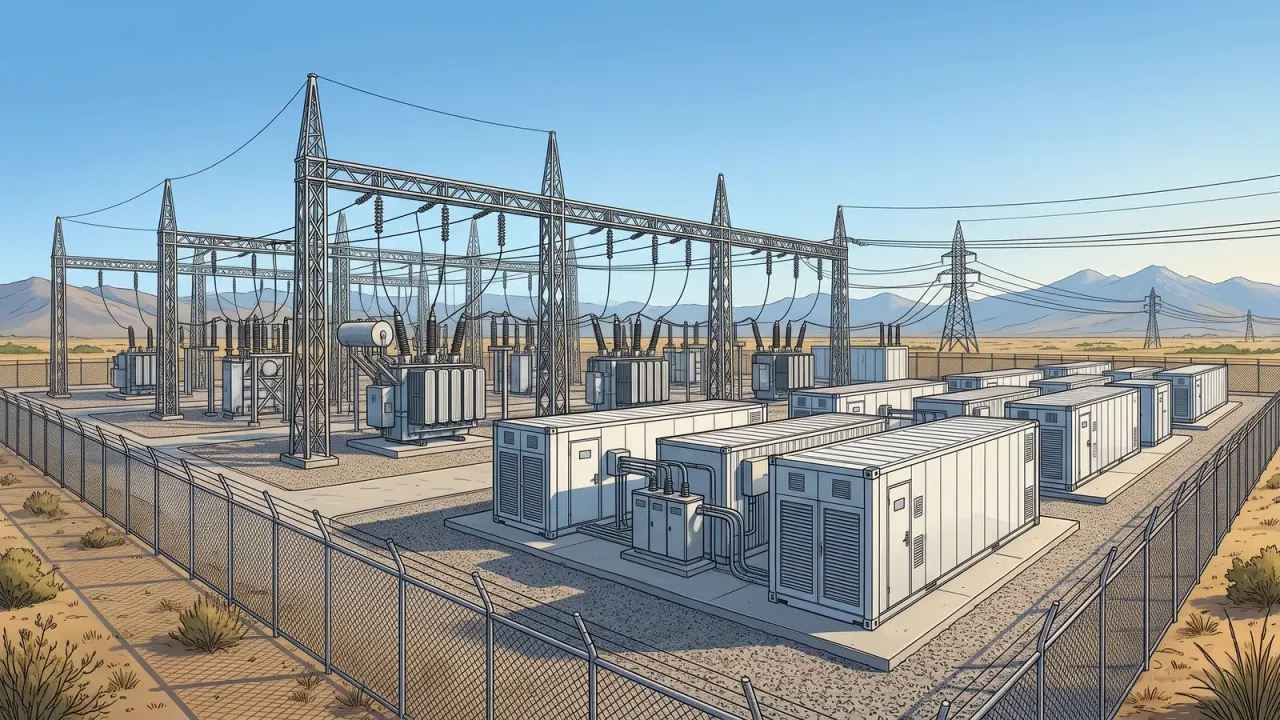
Image: AI-generated editorial illustration; not a documentary depiction of the events reported.
Report an article problem
Tell us what seems wrong or outdated. Include your email so we can follow up if needed.
More in Economy
View all →Keep practical Ecuador coverage free to read.
Reader support helps fund source monitoring, translation, editing, publishing, and national coverage for expats across Ecuador.
Need help with your Ecuador visa? EcuaPass handles the paperwork for you. Learn more →
Comments
No comments yet. Be the first to share your thoughts!