Ecuador Data Leaks Are Feeding Convincing ANT Phishing Scams

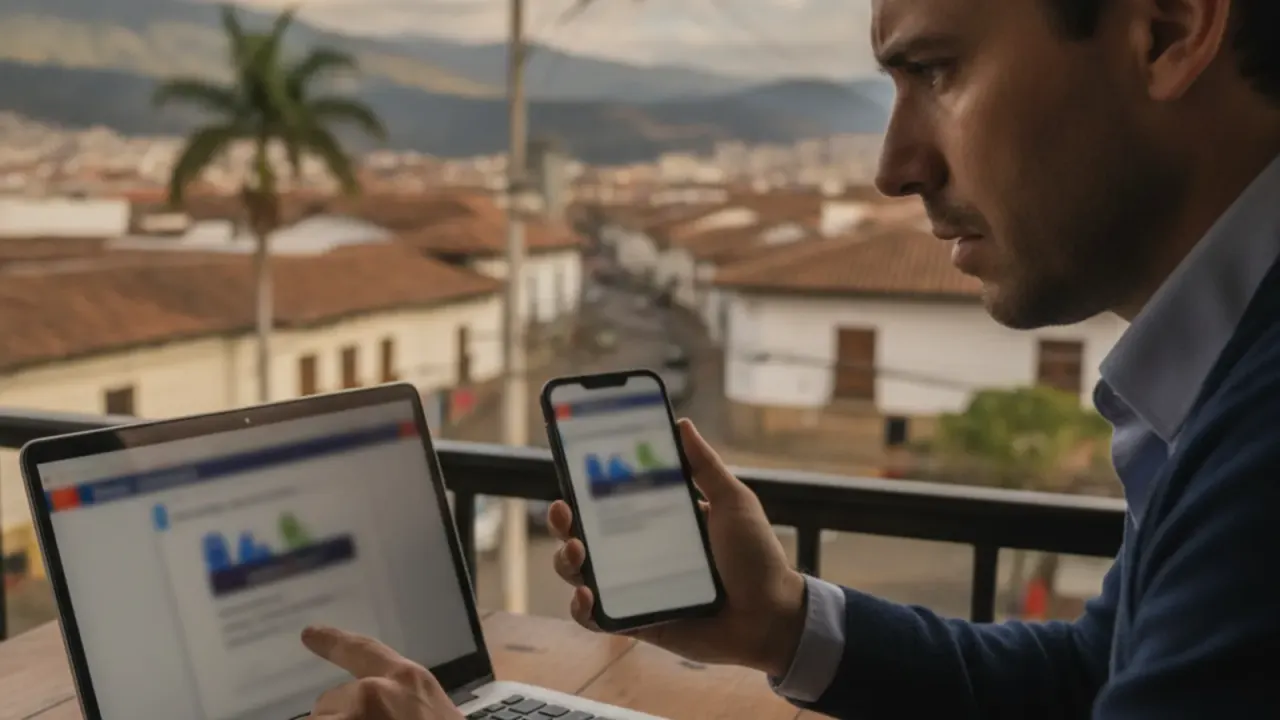
Fraudulent traffic messages in Ecuador are still using real personal details to make phishing attempts look official.
The report describes continued circulation of alleged data from government and private databases, including full names, addresses, cedula numbers, and fingerprints. It also says users are still receiving emails that imitate the National Transit Agency (ANT).
The fake-fine example
One example described in the report arrived on July 26, 2026. The message told a citizen that a traffic fine was pending and claimed that the fine would increase by 30% if it was not paid.
The supposed infraction was parking in a prohibited area, with a claimed payment of USD 47. The important warning was not the amount. It was the sender: the email address did not correspond to an official ANT account.
Messages like this work because they combine a real institution, a plausible administrative problem, personal information, and a deadline. For someone living in Ecuador, a traffic notice may feel believable even when the link or sender is not.
Why the messages keep circulating
Alfredo Velazco, director of Usuarios Digitales, said campaigns like these can continue because filtered data remains in circulation. He described the campaigns as opportunistic: scammers watch current events, new procedures, and moments when people are already expecting a message from an agency.
The report also quotes digital-security analyst Ximena Cuzcano, who explains that phishing begins with a mass link sent to people whose information may have been obtained through leaks. The use of real customer or property-owner information makes the fraudulent site look more convincing.
The source does not establish that every current email came from one single breach. It does establish why an Ecuador-specific message can be more persuasive than a generic spam email.
What expats should do
If a message claims you owe a traffic fine, do not use the payment link inside the email. Instead:
- Open the agency’s official website or app independently.
- Check the sender address carefully.
- Do not enter cedula, banking, or card information into a page reached through an unexpected message.
- Save the message and its headers if you need to report it.
- Ask a trusted Ecuadorian contact or professional to help verify a notice before paying.
The specific warning is about ANT messages, but the underlying habit applies to any Ecuadorian agency: a message containing your name or a real-looking detail is not proof that the message is genuine.
For foreign residents, this is especially important because local administrative systems may still be unfamiliar. A real fine, renewal, or appointment can exist at the same time as a fake message about it. Verify the obligation separately before taking action.
The same caution applies when a message appears to know your name, address, or cedula details. Those details can make a fake notice feel personal, but they do not authenticate the sender. The safest response is to separate the question from the message: first verify whether the obligation exists through an independently opened official channel, then decide whether any payment or reply is required.
Source: La Hora
More in Safety
View all →Cuenca Bolsters Security with New Surveillance Systems Amidst Concerns for Fuel Station Workers
September 19, 2026
Quito Fire Updates: Partial Velasco Ibarra Closure and Itchimbía Park Restrictions
September 17, 2026
Cuenca Experiences Surge in Motorcycle-Based Thefts, Police Make Arrests in Separate Cases
September 17, 2026
Keep practical Ecuador coverage free to read.
Reader support helps fund source monitoring, translation, editing, publishing, and national coverage for expats across Ecuador.
Need help with your Ecuador visa? EcuaPass handles the paperwork for you. Learn more →
Comments
No comments yet. Be the first to share your thoughts!