Ecuador Sets September 1 Start for Sierra–Amazonía Public Schools

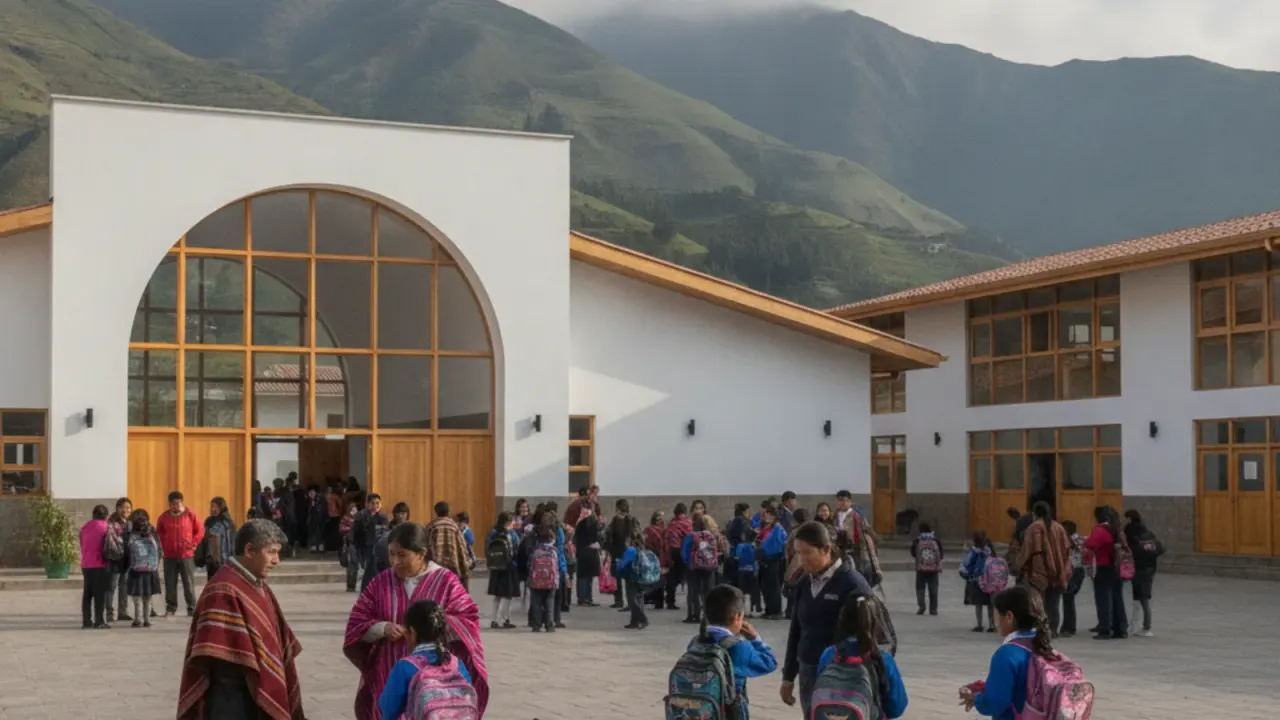
Ecuador’s Ministry of Education, Sport and Culture has set Tuesday, September 1, 2026 as the start of classes for public schools in the Sierra–Amazonía regime. The ministry published a staggered return-to-school calendar after ordinary enrollment closed.
Dates families should know
The published schedule separates public education from private and fiscomisional institutions. For fiscal schools and colleges, classes begin September 1. Extraordinary enrollment begins September 4 and continues through January 28, 2027.
Private and fiscomisional schools set their own return dates, so families moving between Ecuadorian cities should confirm the calendar directly with the institution rather than applying the September 1 date to every school.
The ministry also says institutions must complete 200 working days. The school calendar includes holidays and Christmas and New Year festivities, but the source does not say that every school will have an identical daily timetable.
Why the staggered calendar matters
The practical issue for families is timing. A child who has not completed ordinary enrollment may still have an extraordinary-enrollment window, but that does not mean a place is automatic. The published dates define the administrative period; the receiving school still matters.
The same distinction is useful for families arriving from abroad. The national ministry schedule tells you when the public system is expected to start, while a private or fiscomisional school can publish a different date. Keep copies of the school’s instructions and ask which process applies before assuming that a late arrival can be handled at any time.
What this means for expats
If you are relocating to the highlands or Amazonian region with school-age children, put September 1 and September 4 on the calendar now. The first is the public-school start date; the second begins the extraordinary-enrollment period. The deadline stated in the source is January 28, 2027.
For private or fiscomisional education, contact the school directly because the ministry says the return date is determined by each institution. The source also says the school year must reach 200 working days, which is a useful planning constraint but not a substitute for the school’s own calendar.
Source: Primicias
A calendar is not an enrollment guarantee
The cleanest way to use the ministry calendar is as a planning frame. It tells families when the public system is scheduled to open and when the extraordinary process becomes available. It does not answer every question about a particular school, grade, neighborhood, or available place.
That is especially important for a family arriving from another country. The calendar is national enough to identify the broad sequence, but the enrollment conversation is local. A school may have its own forms, internal deadlines, or instructions for reviewing a student’s prior records. Those details are not in the fetched article and should be confirmed with the institution.
The same caution applies to the word “extraordinary.” It describes the enrollment window named by the ministry, not an assurance that a student who arrives during that window will be placed immediately. A family should treat September 4 through January 28 as the period in which to ask, apply, and follow the school’s instructions, while preserving the documents and correspondence that show what was submitted.
For expats, the most useful takeaway is simple: separate the ministry calendar from the school’s own admission process. Use the first to organize a move, and the second to make the actual enrollment decision.
More in Lifestyle
View all →Keep practical Ecuador coverage free to read.
Reader support helps fund source monitoring, translation, editing, publishing, and national coverage for expats across Ecuador.
Need certified English-Spanish translations? EcuadorTranslations handles apostilled documents for visas and residency. Learn more →
Comments
No comments yet. Be the first to share your thoughts!