Ecuador Releases Three-Year Health and Education Figures Under President Noboa


Overview
On Monday, November 23, President Daniel Noboa Azín completed three years as head of the Ecuadorian presidency. Markings of the milestone included an official balance detailing government investments in national healthcare services and educational support since 2023.
Public expenditure reported by the executive branch reflects targeted allocations toward medical infrastructure, basic supplies, public education infrastructure, and student financial aid. The performance update offers insight into the administration's social spending focus across Ecuador.
Confirmed details
According to official balance figures, public health spending included $1,166.20 million assigned for medicines and medical devices between 2023 and November 2026.
Infrastructure investments in the health sector included $6.3 million allocated to repower six hospitals. Additionally, the government contracted interventions across 61 health centers amounting to $23.39 million. Of these health center projects, 42 are reported as completed, while 19 remain in execution.
In public education, the official report records 567,510 scholarships and economic grants awarded. Over one million students across the country have benefited from interventions carried out in educational facilities.
Background
President Daniel Noboa assumed the presidency of Ecuador following an extraordinary election process, establishing an administration focused on addressing ongoing security, economic, and social service demands across the nation's provinces. The three-year benchmark provides a point of comparison for the administration's stated goals in core public service sectors.
Healthcare delivery and educational infrastructure are centralized responsibilities under Ecuador's national ministries. The management of public hospitals, neighborhood health clinics, and public primary and secondary schools forms the primary contact point between residents and state social services across both urban centers and rural areas.
What This Means for Expats
For foreign residents living in Ecuador, national investments in public healthcare and educational facilities touch on broader social stability and public service availability. Foreign citizens who use the public health network—or reside in communities relying on local health centers—depend on the operational status of these facilities.
The progress on contracted improvements across 61 health centers, alongside hospital repowering efforts, indicates ongoing updates to public infrastructure. Expats residing in Ecuador who participate in community support programs, local schooling, or language initiatives may also notice the local effects of educational facility interventions and student economic aid in their surrounding municipalities.
Sources: eluniverso.com.
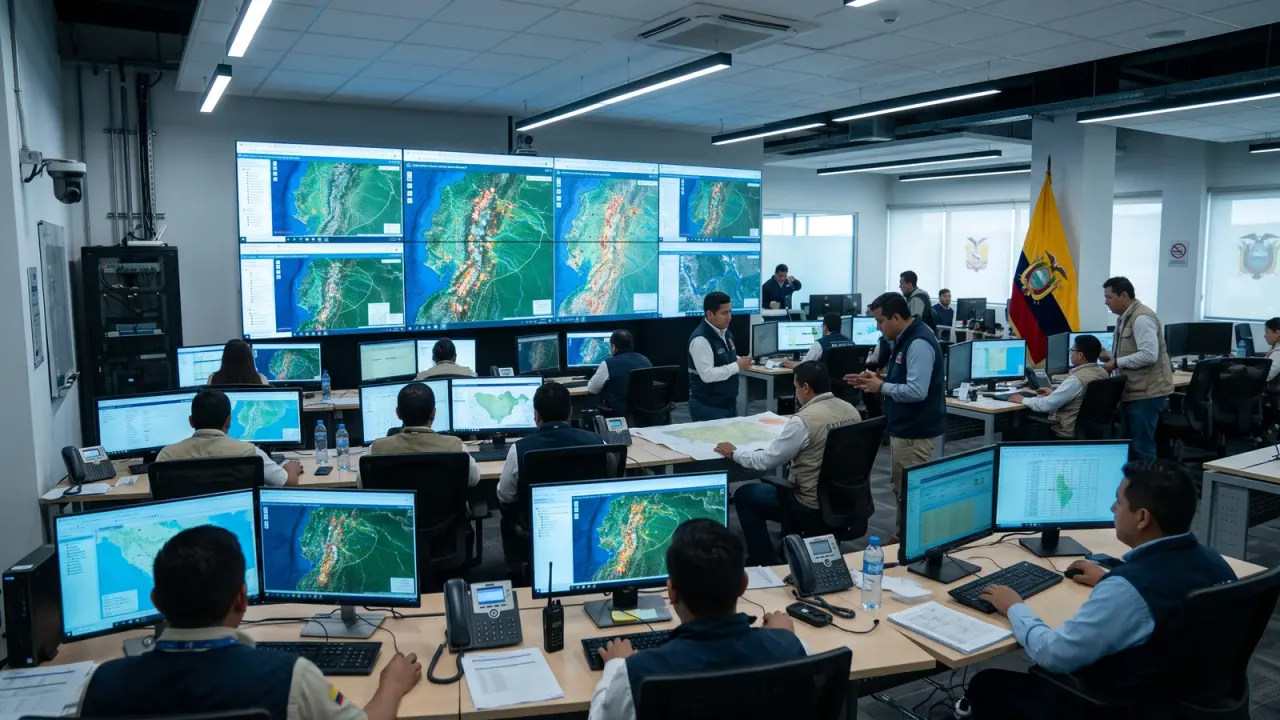
Image: AI-generated editorial illustration; not a documentary depiction of the events reported.
Report an article problem
Tell us what seems wrong or outdated. Include your email so we can follow up if needed.
More in Politics
View all →Keep practical Ecuador coverage free to read.
Reader support helps fund source monitoring, translation, editing, publishing, and national coverage for expats across Ecuador.
Comments
No comments yet. Be the first to share your thoughts!