Ecuador Electoral Body to Hold Permanent Session as El Niño Flooding Threatens 368 Polling Places

Overview
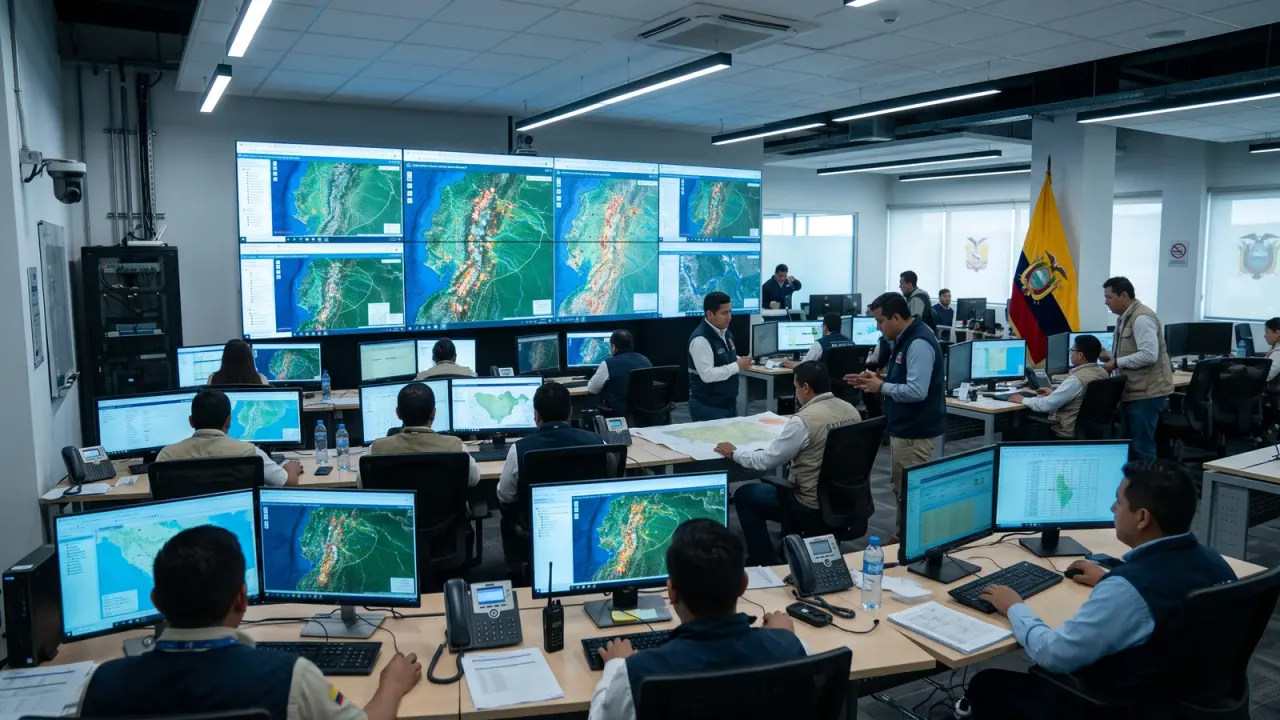
Ecuador's National Electoral Council (CNE) will install a permanent session ahead of the November 29 sectional and Citizen Participation and Social Control Council (CPCCS) elections. The measure allows electoral authorities to make immediate administrative decisions regarding natural disasters triggered by the El Niño weather pattern. The decision comes as officials report severe flooding across multiple coastal and highland provinces with ten days remaining before the vote.
According to CNE President José Cabrera, the permanent session will allow the council to respond quickly to changing weather conditions without waiting for standard advance notice requirements. Officials are preparing for various emergency scenarios, including relocating polling places or adjusting logistics if flooding prevents citizens from accessing voting centers.
Confirmed details
Nationwide, electoral authorities have authorized 4,399 polling places for the upcoming election. Out of that total, the CNE identified 368 voting precincts located in designated risk zones. Specifically, at least 257 precincts are situated in areas prone to probable flooding, while another 111 precincts sit in locations facing probable mass soil movements or landslides.
Reports from the National Risk Management Secretariat show significant hydrological disruption across Ecuador as of November 20. A total of 18 water bodies—including rivers, estuaries, and streams—are overflowed, while 25 additional rivers have experienced rising water levels. The primary provinces impacted by flooding include Los Ríos, Esmeraldas, Guayas, El Oro, and Azuay. Specific reports of overflowed water bodies have also been recorded across coastal areas in Manabí and Santa Elena.
Risk Management Secretary Carolina Lozano stated on November 19 that the strongest impacts of the El Niño phenomenon are anticipated during the first days of December and throughout the first quarter of 2027.
What This Means for Expats
Foreign residents living in Ecuador who hold voting rights or participate in civic processes during national elections should be aware that flooding may cause last-minute adjustments to local polling precincts. Residents in coastal provinces like Guayas, Los Ríos, Manabí, and Santa Elena, as well as highland areas such as Azuay and Esmeraldas, face active river overflows and heightened flood risk. Foreigners traveling between provinces in late November should monitor local road conditions due to the elevated potential for flooded routes and soil landslides in identified risk zones.
Sources: eluniverso.com; teleamazonas.com.
Image: AI-generated editorial illustration; not a documentary depiction of the events reported.
Report an article problem
Tell us what seems wrong or outdated. Include your email so we can follow up if needed.
More in Politics
View all →Ecuador Issues New Public Sector Labor Regulations for Catastrophic Illnesses
November 15, 2026
Ecuador Extradites Three High-Profile Crime Suspects to United States
October 30, 2026
Cuenca's Suspended Mayor Cristian Zamora Faces Illicit Enrichment Charges, Denies Allegations From Mexico
September 22, 2026
Keep practical Ecuador coverage free to read.
Reader support helps fund source monitoring, translation, editing, publishing, and national coverage for expats across Ecuador.
Comments
No comments yet. Be the first to share your thoughts!