Petroecuador Meets 2026 Goal by Shutting Down 30th Amazon Gas Flare

Overview
State-owned oil company EP Petroecuador has reached its annual emissions reduction objective for 2026 after shutting down and dismantling its 30th gas flare of the year. The final shutdown of the annual schedule took place at the Shushufindi T-62B platform, located in the Amazonian province of Sucumbíos. According to official company statements, this operation represents a key step forward in capturing associated natural gas that was previously burned into the atmosphere, converting an environmental liability into a productive energy resource.
Confirmed details
The closing ceremony was led by the acting general manager of EP Petroecuador, Sebastián Maag. Official figures confirm that taking these 30 flaring units out of service during 2026 prevents the emission of more than 280,000 tons of carbon dioxide (CO2) annually.
With this latest intervention at the Shushufindi T-62B site, the state oil firm has now removed a cumulative total of 200 flaring structures as part of its phased elimination schedule. The broader operational plan identifies a total universe of 424 gas flares located across the Amazonian provinces of Sucumbíos and Orellana. Following the completion of the 2026 target, 224 flaring units remain to be dismantled. Petroecuador maintains a final deadline of 2030 to complete the entire decommissioning program across its northern Amazonian operations.
Background
Gas flaring is a long-standing operational practice in hydrocarbon extraction where associated natural gas released during oil production is burned off directly into the open air. The elimination plan implemented by Petroecuador aims to systematically capture this gas to support national fuel and power requirements while reducing the environmental impact in oil-producing regions.
By capturing associated gas that was formerly wasted through open burning, the company shifts away from routine atmospheric flaring toward active resource recovery. The ongoing schedule in Sucumbíos and Orellana addresses the remaining 224 identified units through 2030 to align with established environmental deadlines.
What This Means for Expats
For foreign residents living in Ecuador, particularly those residing in or traveling through the Amazon region, Petroecuador's ongoing gas flare elimination plan marks a concrete structural shift in national environmental policy and energy management. The removal of 200 gas flares to date addresses long-standing atmospheric emissions in northern Amazonian oil fields, directly reducing localized greenhouse gas output and air pollution near industrial platforms.
Furthermore, progress toward the 2030 deadline reflects Ecuador's regulatory commitments to modernize state infrastructure. Residents monitoring environmental sustainability, industrial compliance, and corporate accountability in Ecuador can track these official milestones as the state enterprise works to decommission the remaining 224 flares across Sucumbíos and Orellana.
Sources: eluniverso.com; primicias.ec.
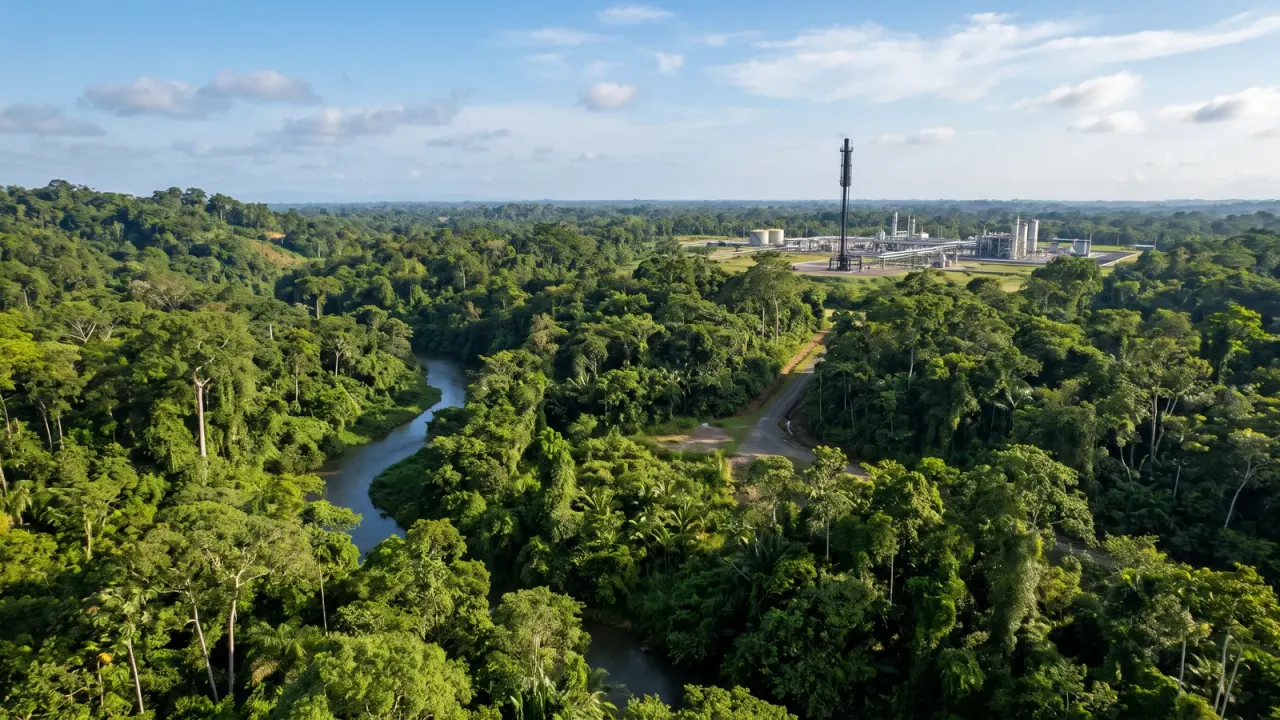
Image: AI-generated editorial illustration; not a documentary depiction of the events reported.
Report an article problem
Tell us what seems wrong or outdated. Include your email so we can follow up if needed.
More in Economy
View all →Keep practical Ecuador coverage free to read.
Reader support helps fund source monitoring, translation, editing, publishing, and national coverage for expats across Ecuador.
Comments
No comments yet. Be the first to share your thoughts!