Breaking news, politics, economy, visas, safety, and lifestyle updates for expats living in Ecuador.
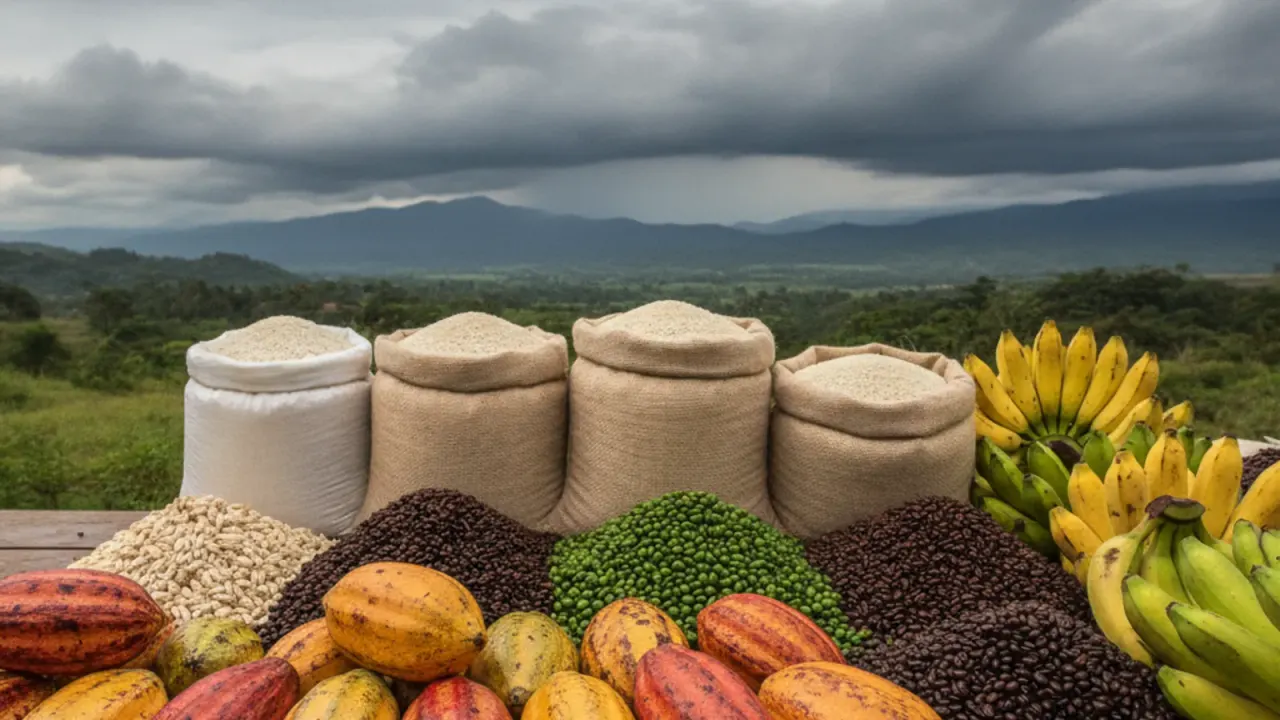
Cacao, coffee, bananas, and rice are all under market pressure as El Nino risk rises. The immediate story is export pricing, but the longer-term watch point is food-cost pass-through over the next 12 to 20 months.
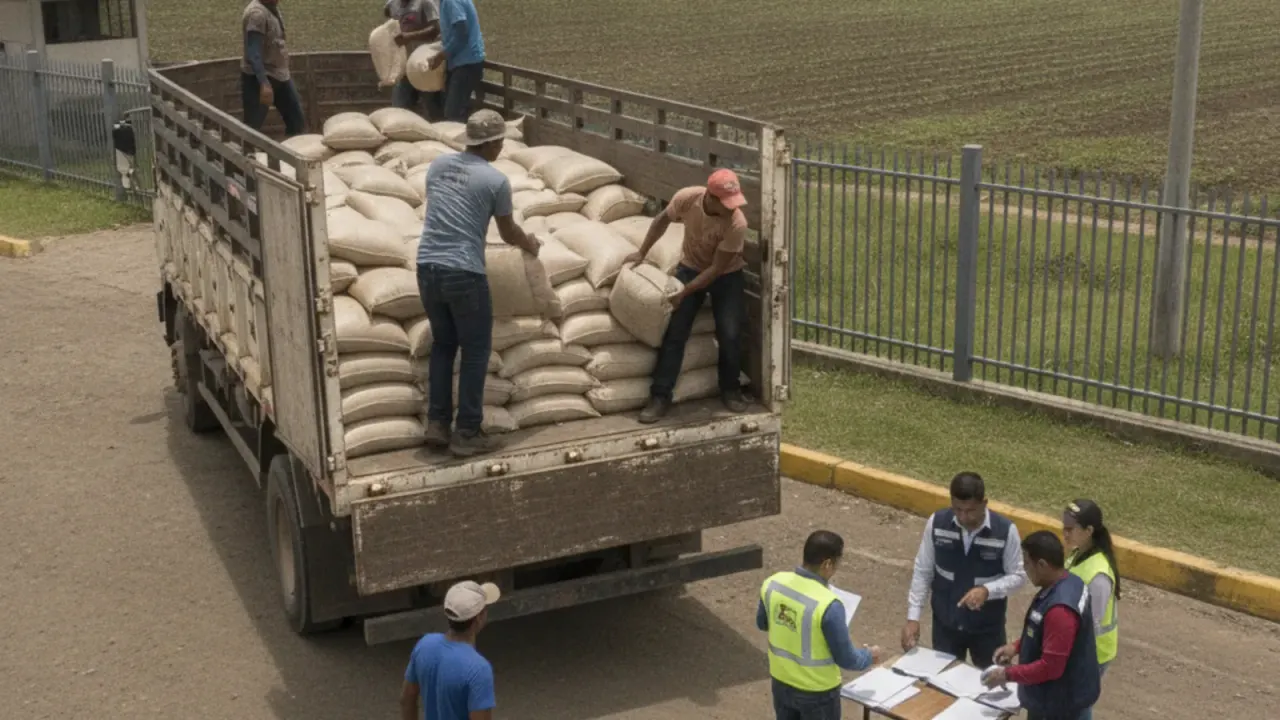
Colombia has begun issuing rice import permits after nearly five months of suspended land trade. Ecuador’s rice sector expects a gradual restart, with private projections above 50,000 tons for the rest of the year.
Ecuador and Canada signed their trade agreement in Ottawa on July 24, bringing a 26-chapter framework covering goods, investment, customs, and digital commerce.
Oil-export income reached USD 1.561 billion by July 23, nearly matching the USD 1.585 billion recorded in all of 2025.
Ecuador consumed 3% less gasoline overall in the first half of 2026, while Extra demand fell 8%. The report links the decline to higher prices, household pressure, and temporary supply shortages.
Workers in Ecuador may have reserve funds equal to 8.33% of salary accumulated in an individual IESS account. The right begins in the second year with the same employer, and balances can be checked online with a cédula and personal password.
Quito has at least 72,020 residents with disabilities, but damaged sidewalks, missing signage, broken tactile guides and informal commerce still make daily mobility difficult. The issue affects people with disabilities, older adults, parents with strollers and everyday pedestrians.
Commercial transport drivers in several categories can no longer invoice clients directly under new SRI rules. Operators or transport companies must handle client billing, while drivers bill the operator they belong to.
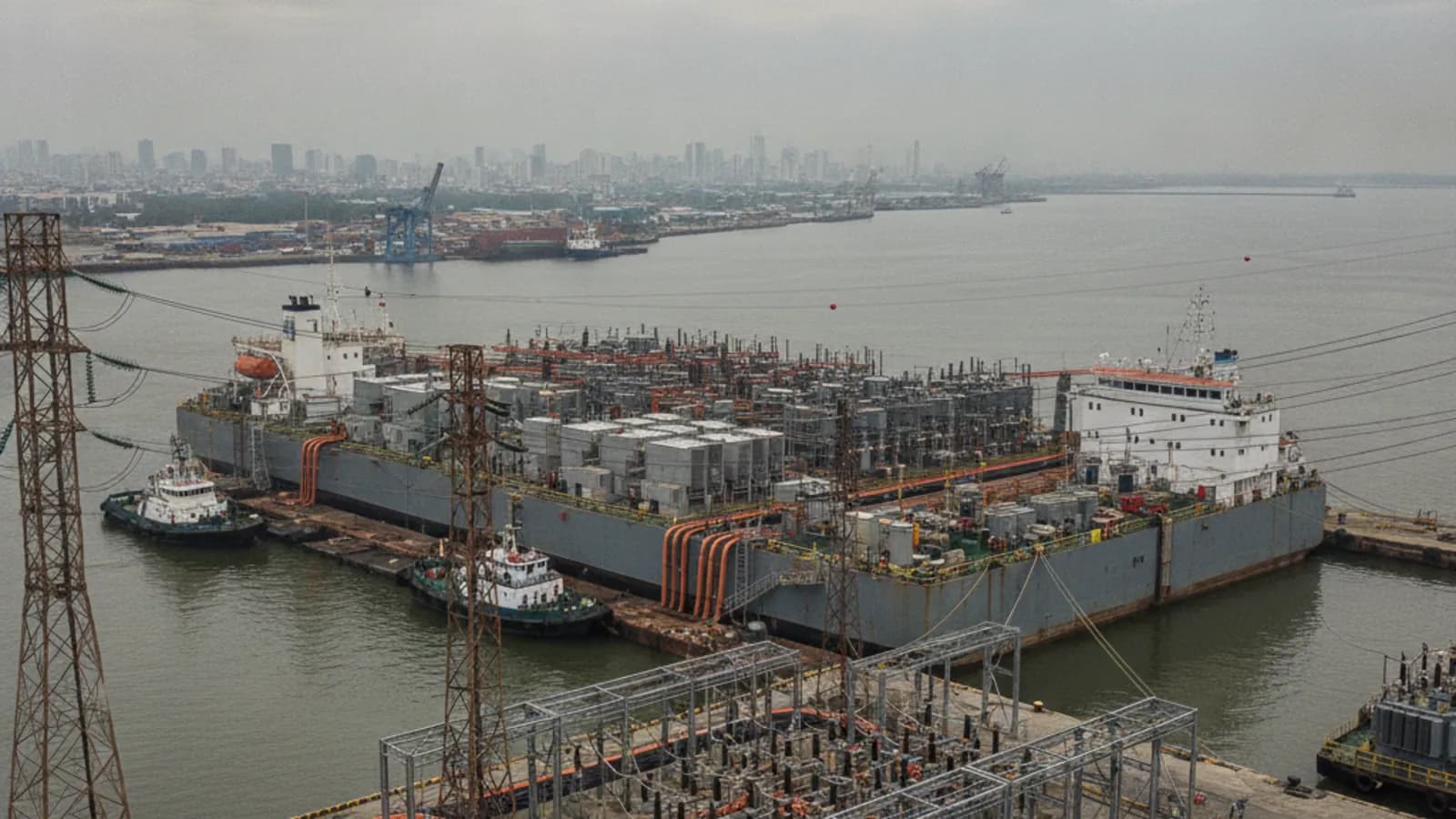
Elecaustro opened a new rental process for a 90-110 MW power barge as Cenace warns of a 25% probability of electricity deficits in the 2026-2027 dry season without new generation.
The share of migrants and refugees in Ecuador with a bank account rose from 11% in 2022 to 48% in 2025, according to figures presented at a financial-inclusion event in Quito.
Extra, Ecopaís and diesel are expected to drop by about five cents per gallon from Sunday, July 12. The change follows Decreto Ejecutivo 444 and applies inside Ecuador’s fuel-price band system.
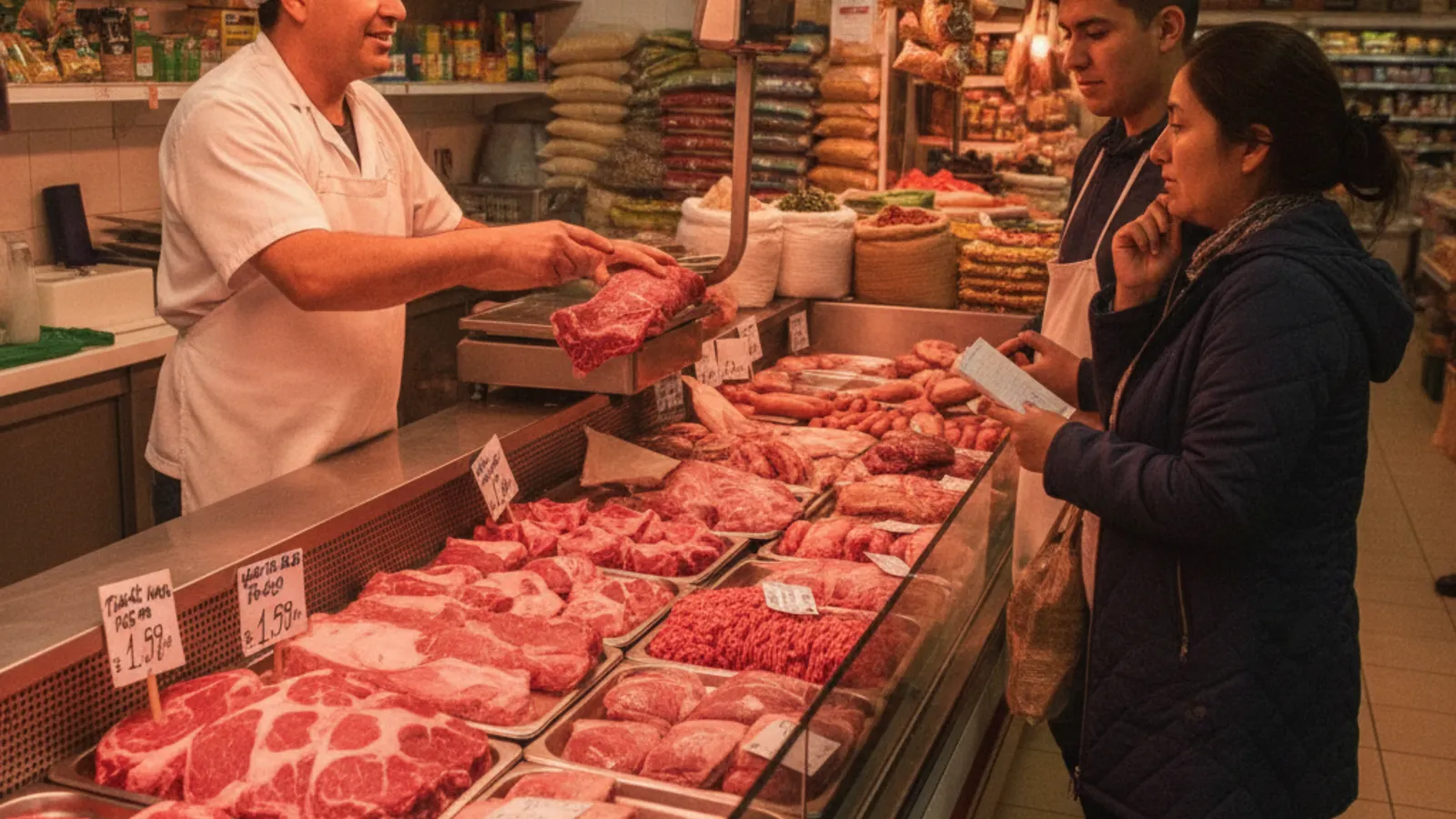
Beef without bone is one of the food items Ecuadorian households spend the most on, and sector figures point to a smaller cattle herd and supply pressure behind higher prices.