Breaking news, politics, economy, visas, safety, and lifestyle updates for expats living in Ecuador.
Latin America's largest mobile carrier will spend $600 million over three years to modernize its Ecuador network, expand coverage, and roll out 5G. Service is already live in Guayaquil, Quito, Puerto Ayora, and Coca.
Ambassador Jamieson Greer and Ecuador's Trade Minister signed the Agreement on Reciprocal Trade on March 13, locking in zero tariffs on $2.8 billion in Ecuadorian exports and opening the door to cheaper American imports. If you buy wine, medicine, or electronics in Ecuador, pay attention.
Ecuador hiked tariffs on Colombian imports from 30% to 50% on March 1. Colombia retaliated on 280 Ecuadorian products at the same rate. If you buy medicine, processed food, or pesticides in Ecuador, you're already paying more.
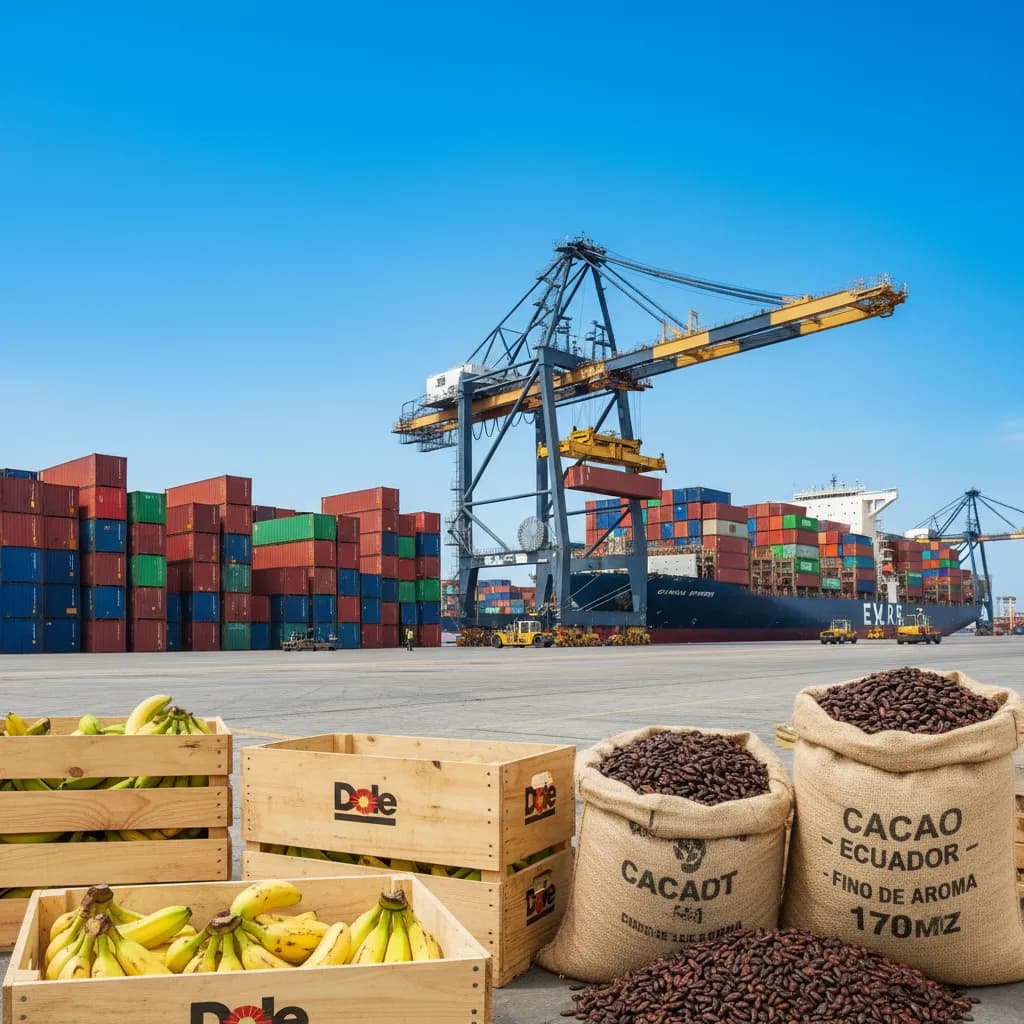
The United States and Ecuador have concluded negotiations on a historic Agreement on Reciprocal Trade (ART) that eliminates the 15% surcharge on roughly half of Ecuador's non-petroleum exports — worth $3.2 billion annually. The deal shields Ecuadorian flowers, bananas, cacao, and seafood from the new 10% global US tariff.
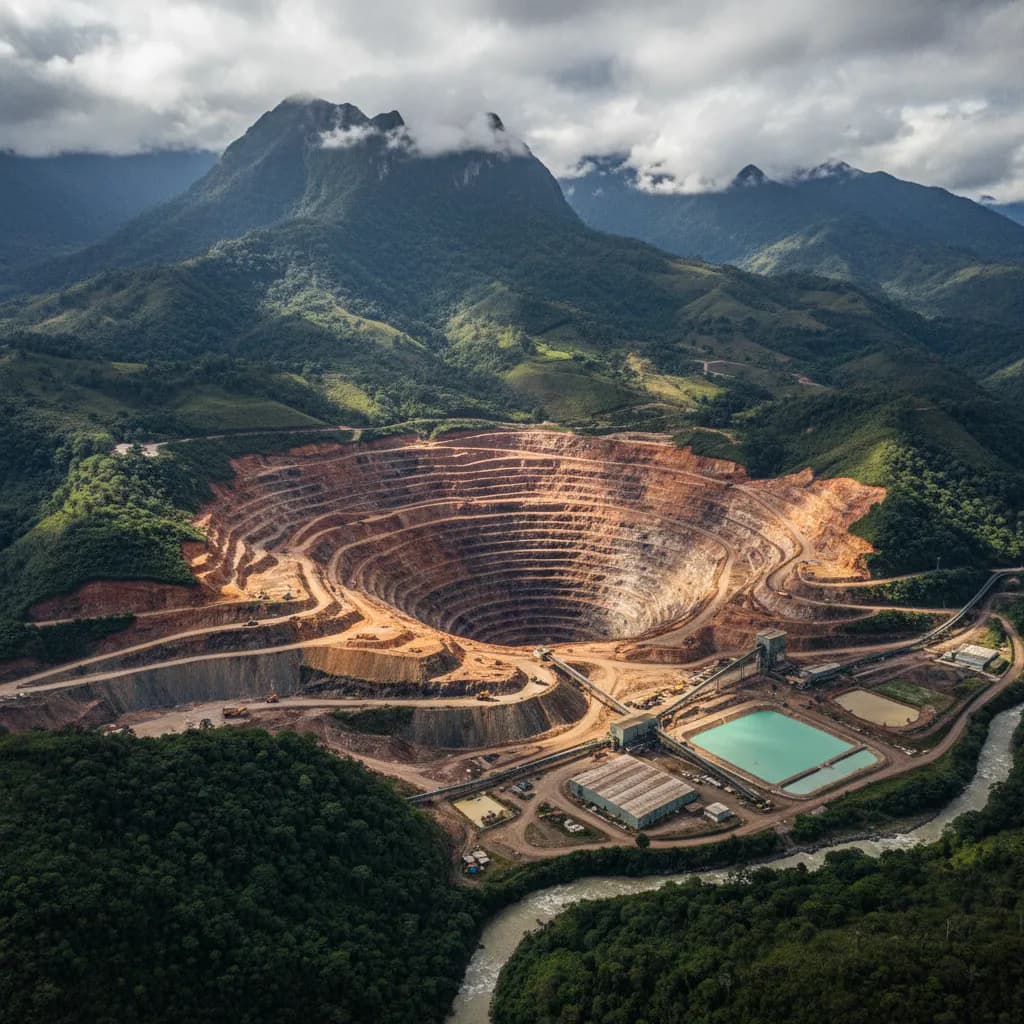
At a 54-nation Critical Minerals Ministerial in Washington, the US formally recognized Ecuador's rare earth elements, copper, and gold deposits as strategically important — unlocking up to $10 billion in EXIM Bank financing and DFC investment guarantees for mining development.
Canadian mining giant Lundin Gold announced a $100 million exploration budget for 2026, targeting 133,000 meters of drilling across its concessions in Zamora Chinchipe province. The investment aims to extend the life of its flagship Fruta del Norte gold mine as gold prices surge toward record highs.
Ecuador's Federation of Exporters (Fedexpor) projects 6-7% export growth for 2026, a significant slowdown from the 18% surge in 2025. Headwinds include US tariff uncertainty, the Colombia trade dispute, and falling cacao prices — but the new US trade deal and flower sector expansion offer upside.
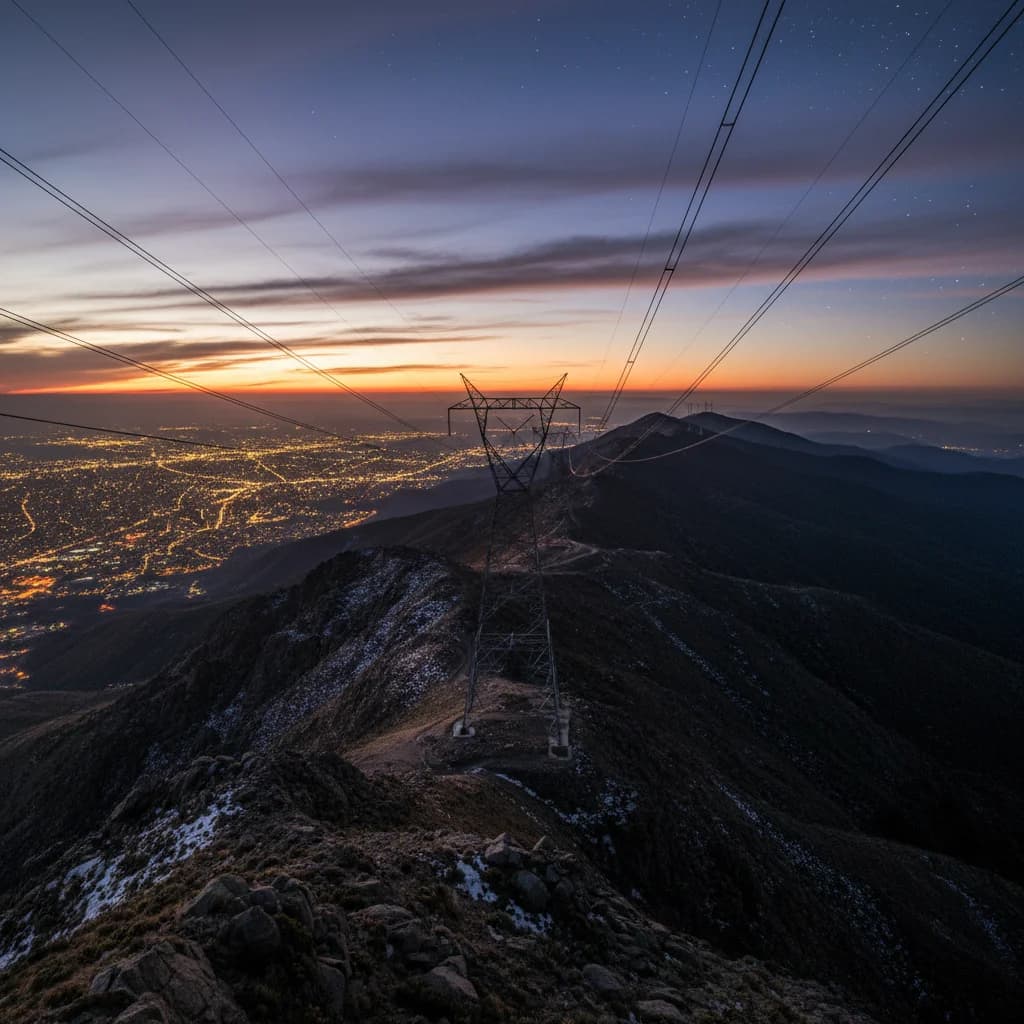
Colombia suspended electricity sales to Ecuador and imposed retaliatory tariffs after Ecuador slapped a 30% 'security tariff' on Colombian goods. With Ecuador's grid 79% dependent on hydroelectric power, the loss of Colombian energy imports raises the specter of the devastating 2024 blackouts.
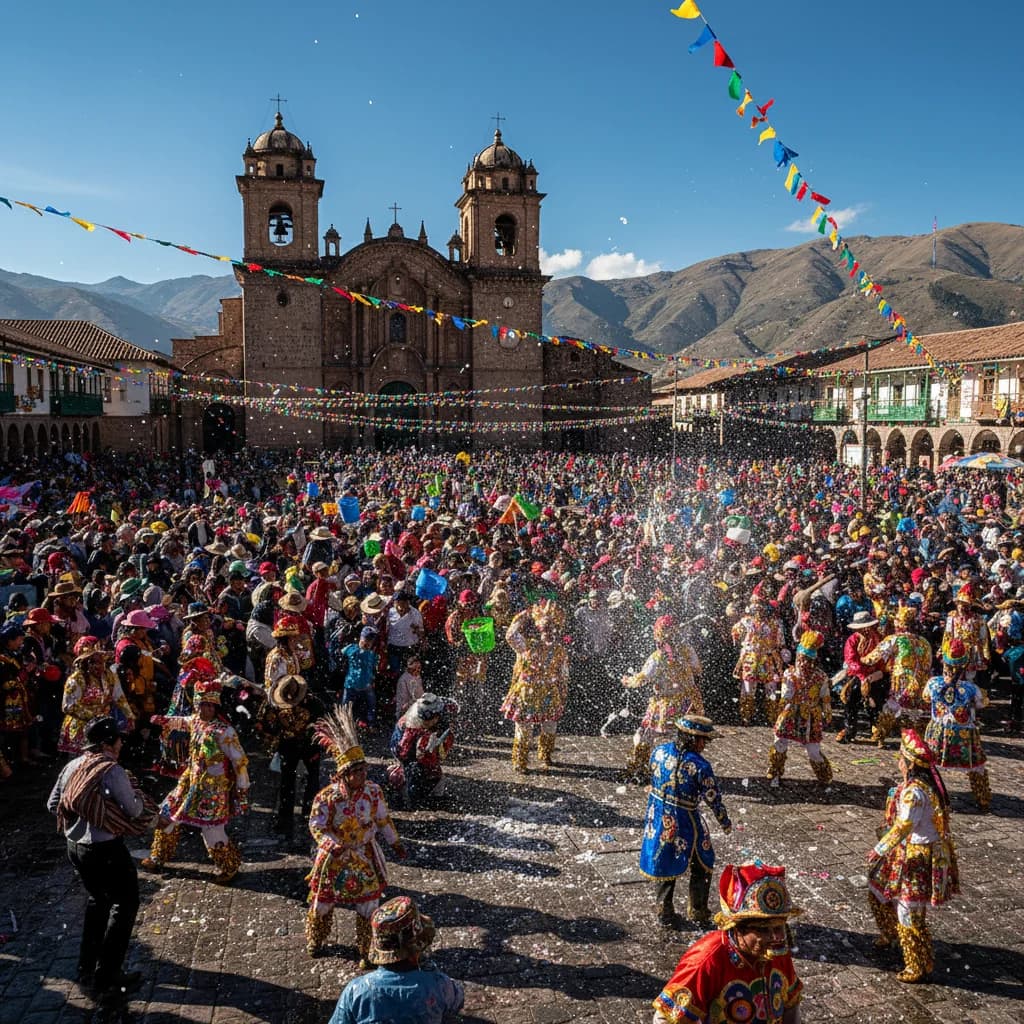
Ecuador's Carnival holiday weekend delivered a record tourism boost: $81.9 million in revenue, 1.28 million domestic trips, and hotel occupancy of nearly 50% — while the government temporarily slashed VAT on tourism services from 15% to 8%.
The International Monetary Fund reports Ecuador is 'recovering much faster than anticipated' from the devastating 2024 blackout crisis. Inflation is forecast at just 1.5% for 2026 — among the lowest in Latin America — though housing costs spiked 16.97%.
Informal moneylenders continue to charge usurious interest rates in Loja’s market economy despite government programs offering subsidized microloans — a problem that traps local vendors in debt cycles and affects the cost of goods for everyone, expats included.
Manabí province’s two largest cities generated $20.5 million in tourism revenue during the four-day Carnival holiday, with Manta recording 90% hotel occupancy and the Mariana Fest alone drawing 60,000 people to El Murciélago beach.